
About Rodent Removal Sacramento
One number, answered around the clock, that puts a Sacramento household in front of a licensed rodent contractor with a free inspection and a quote broken into lines.
- Downtown office on 9th Street
- Sacramento, Placer, Yolo, El Dorado
- Registrations you can verify
What the phone line is for
The number on every page reaches a dispatcher 24 hours a day, and the point of that call is to work out what has happened at the property and get the response moving. You describe the noise, where in the house it is, what time it happens and how long it has gone on. That narrows the species before anyone drives out, and it decides whether the first visit is a routine walk of the roofline or something that needs a faster slot.
From there the nearest licensed contractor is lined up for a free inspection, and the inspection is the thing worth having. Outside first, then the attic, then whatever is under the floor: every opening recorded and photographed, the species named from the droppings and the rub marks, and an itemized quote written off the findings with trapping, sealing and cleanup on separate lines.
The office is at 980 9th Street, on the 16th floor of Park Tower at 9th and J. Anything written goes through the form on the contact page, and no price is quoted from a form alone.
What to expect when the contractor arrives
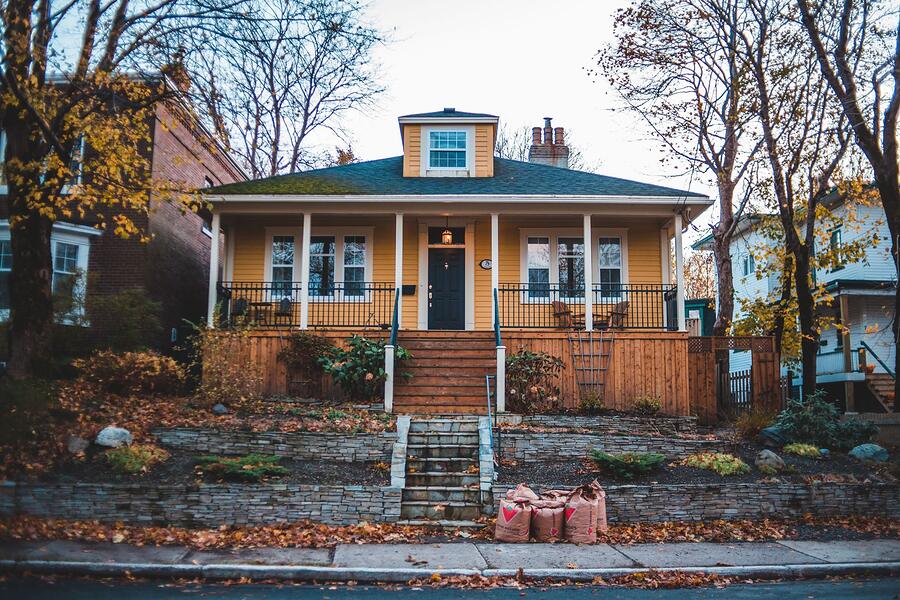
Expect a walk of the outside of the building before anybody opens the attic hatch. On a pre-1975 Sacramento house the way in is as likely to be at the soil as at the ridge, so the foundation vents, the crawl space access door and the plumbing penetrations get checked alongside the eaves and the gable. On a slab house in Natomas or Elk Grove the list is shorter and sits overhead.
Expect the sealing to be discussed before it is sold to you. UC IPM names the materials that hold: wire screen, sheet metal and coarse steel wool, with hardware cloth in 16 or 18 gauge and half-inch mesh for rats, a quarter inch where mice are the problem. Expanding foam on its own is what a thin quote usually means. Expect traps to stay in place for a week or more, sometimes baited and left unset until the bait has been taken several times, because wary animals avoid a new object.
Expect plain talk about duration. National guides put trapping a handful of animals at two to three days and a heavy infestation at one to two months, and it is the sealing that gives that second figure an end. Expect a final walk of the building with you before the job is called finished.
The registration to check before work starts
Rodent work for hire in California sits with the Structural Pest Control Board, part of the Department of Consumer Affairs. Any company inspecting for rodents, trapping them or applying bait for payment must be registered with the Board and licensed in Branch 2, the category covering household pests and rodents, with either licensed operators or field representatives. Minor exclusion work in mesh, hardware cloth and sealant falls inside Branch 2; structural wood repair moves into Branch 3 or a contractor licensed by the CSLB.
Every contractor routed through this line holds the Branch 2 license the job requires. Ask whoever attends for the company registration and confirm it on the Board public lookup, reachable from the Board website, and ask to see proof of insurance while you are at it. A company that hesitates over either question has answered a different question.
Two more things worth asking, both drawn from what Sacramento homeowners tell each other: exactly which items are included and which are separate lines, and how many follow-up visits the price covers. Angi puts national follow-up visits at $50 to $150 each, so that answer moves the total. Some companies in this area publish one-year and two-year terms on sealing work; ask what the terms say and what voids them.
Where contractors are dispatched
Sacramento itself and the metro across four counties: Sacramento, Placer, Yolo and El Dorado. The older neighborhoods inside the city produce the most roof rat calls, because the canopy and the backyard citrus are concentrated there, and each has a page under locations. The newer tracts in Natomas and out through Elk Grove and Roseville produce a shorter list with the work overhead.
Riverside streets are their own category. Norway rats travel the Sacramento and American River levees and move into garages and crawl spaces, heaviest from fall through spring when winter rain floods the bank burrows, which is the Norway rat removal call. Restaurants, warehouses and apartment buildings across the metro come under commercial rodent control, where Sacramento County Environmental Management may already have issued a notice.
What the call gets you
A dispatcher first, then a licensed contractor
The number on every page reaches a dispatcher at any hour of the day or night. That conversation works out what has happened at the property, which species the noise points to, and which contractor covering your part of the metro should take it. You get a name and a window for the free inspection, and after the visit an itemized quote.
Phone answered 24 hours a day, every day.
Two Sacramentos, two inspections
A 1920s bungalow in Land Park and a 2005 tract house in Natomas produce different lists. Houses of the older era typically sit over a ventilated crawl space, so the foundation vents and the access door matter as much as the eaves. A slab house has no underside to enter, which concentrates the work at the roof returns, the gable vents and the garage corners.
Sacramento neighborhoods built before 1975 are dominated by raised-foundation stock.
Numbers on the table before the visit
The HomeGuide 2026 national bands and the Angi national figures appear on every service page, labeled as national and framed as typical-job ranges that the free inspection confirms. Somebody who knows that full-home sealing usually runs between $500 and $2,500 nationally can tell a thin quote from a real one.
Angi puts the national rodent removal average near $395, most jobs $189 to $655.
What happens after you call
Five steps, the same on every job, with the sealing where it belongs rather than bolted on at the end.
-
Call and describe it
Where the noise is, what time of night, how long it has gone on, and anything you have found. That narrows the species before a truck moves.
-
The free inspection
Roofline, attic, crawl space or slab edge, garage and the trees and fruit in the yard, with every opening recorded and photographed and an itemized quote written from it.
-
Close what is not in use
Half-inch hardware cloth, sheet metal and coarse steel wool go over the openings with no current traffic, which leaves the active runs as the only way out.
-
Trap the animals inside
Snap traps along the runs, spaced 10 to 20 feet apart as UC IPM advises, left baited and unset at first where the animals are wary, then checked and reset.
-
Close the rest and clear up
Once the catching stops the last runs are sealed, and the attic is cleared, sanitized or re-insulated where the condition calls for it.
Ready to start? Call (916) 644-8455 or Book a Free Inspection.