Rodent Removal in Natomas
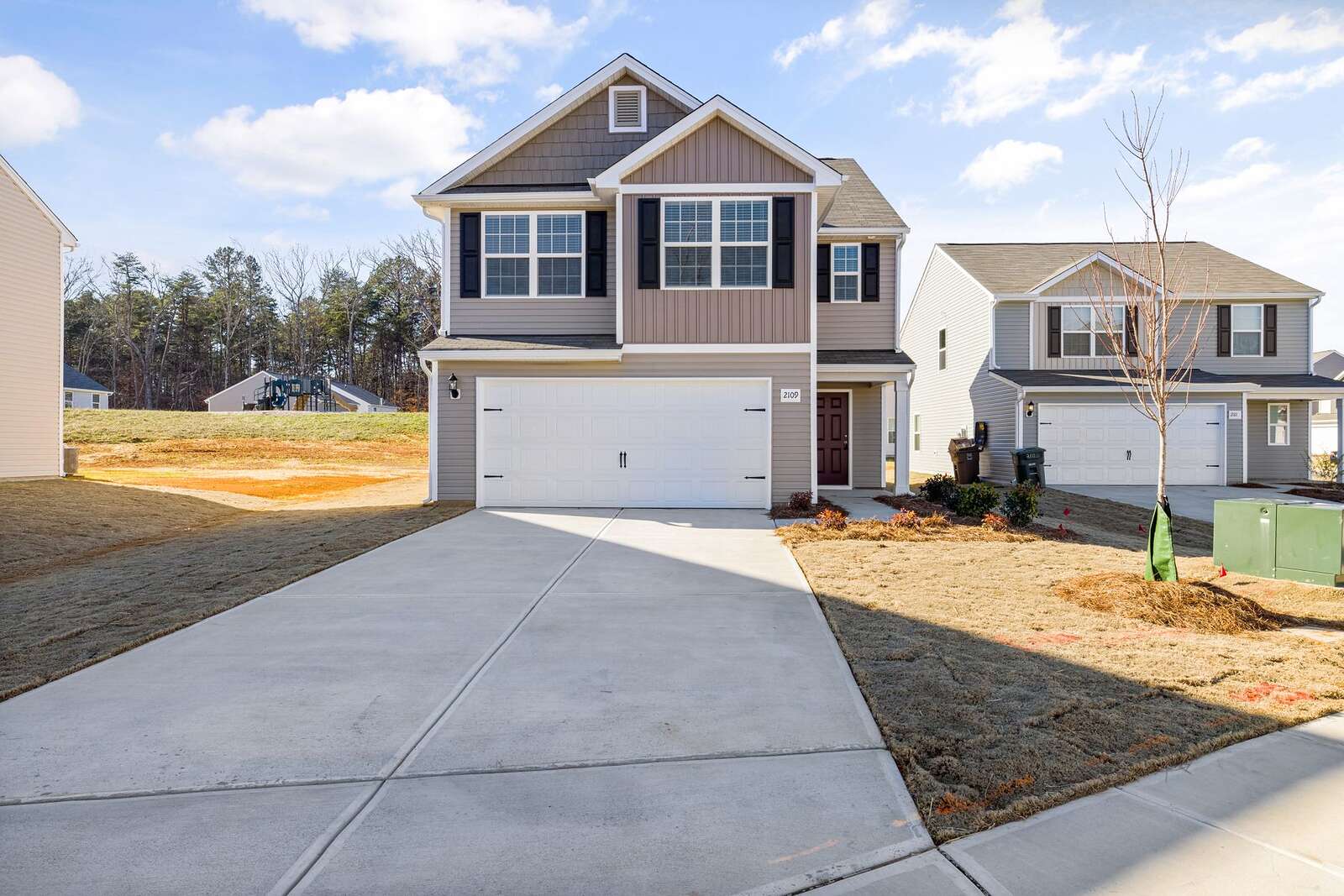
Natomas is the newest housing in the city and almost all of it sits on a concrete slab. Nothing can live under the floor, so the whole job moves overhead to the roof returns, the vents and the garage.
- Slab-on-grade tract housing
- Openings all at roof level
- Free inspection, no obligation
Slab-on-grade changes the whole list
North and South Natomas were built out largely from the 1990s onward, on flat former farmland behind the levee system, and the housing is predominantly slab-on-grade. That single fact removes the half of a Sacramento rodent job that dominates the older neighborhoods: there is no crawl space, no foundation vent, no access door and no run of plumbing penetrations through a floor to close.
What is left is overhead, and it is a shorter and more predictable list. Roof returns where a soffit wraps a corner. Gable vents and their screens. The penetrations where HVAC lines, plumbing vents and flues pass through the roof. The corners and the bottom edge of the garage door, which on a tract house is a standard detail and a standard weak point. Attic access is usually good, and the framing is regular, which makes a survey here quick.
Build quality across the tracts is consistent enough that the findings repeat from street to street. That is useful: a contractor who has worked these subdivisions knows where to look before getting the ladder out.
The garage and the younger canopy
The garage is the most common entry point in a tract house. A roll-up door sits on a slab, the seal hardens and shrinks, the corners lift where the track meets the jamb, and the result is a gap at ground level on an otherwise tight building. UC IPM has a young rat passing under a door with only a half-inch gap and a mouse under a quarter inch, so a worn seal is enough on its own. Garages also hold bird seed, pet food and bins, which supplies the reason to come in.
The tree canopy is the other difference from the older city. Natomas street trees are younger and smaller than those in East Sacramento or Land Park, which reduces roof rat pressure substantially because there are fewer limbs reaching a roof. As the planting matures that gap narrows, and on the earliest streets it already has.
So the species mix tilts. House mice in garages and kitchens are a larger share of the calls here than in the older neighborhoods, and roof rats appear where a maturing tree has reached a roofline or where a landscaped berm runs up against a fence and a wall.
What a visit in Natomas looks like
The walk is shorter than in the older city and it starts at the garage. The door seal and its corners, the side door sweep, the utility penetrations through the garage wall, then the perimeter for the gaps where a hose bib, a gas line or a dryer vent passes through stucco. Then the roofline: returns, gable vents, HVAC and plumbing penetrations. Then the attic.
Trapping goes wherever the droppings are. For mice that means tight to the sign, within a few feet, since UC IPM notes a house mouse seldom travels more than 30 feet from its nest, and the sealing works to a quarter inch rather than a half. For roof rats the traps go along the attic runs at 10 to 20 foot spacing and the sealing works to half-inch mesh.
These streets most often call for mouse removal and rodent exclusion, with roof rat removal where the canopy has reached a roof. The contact page has the hours.
The order an attic job runs in
Five stages, from inspection through to cleanup.
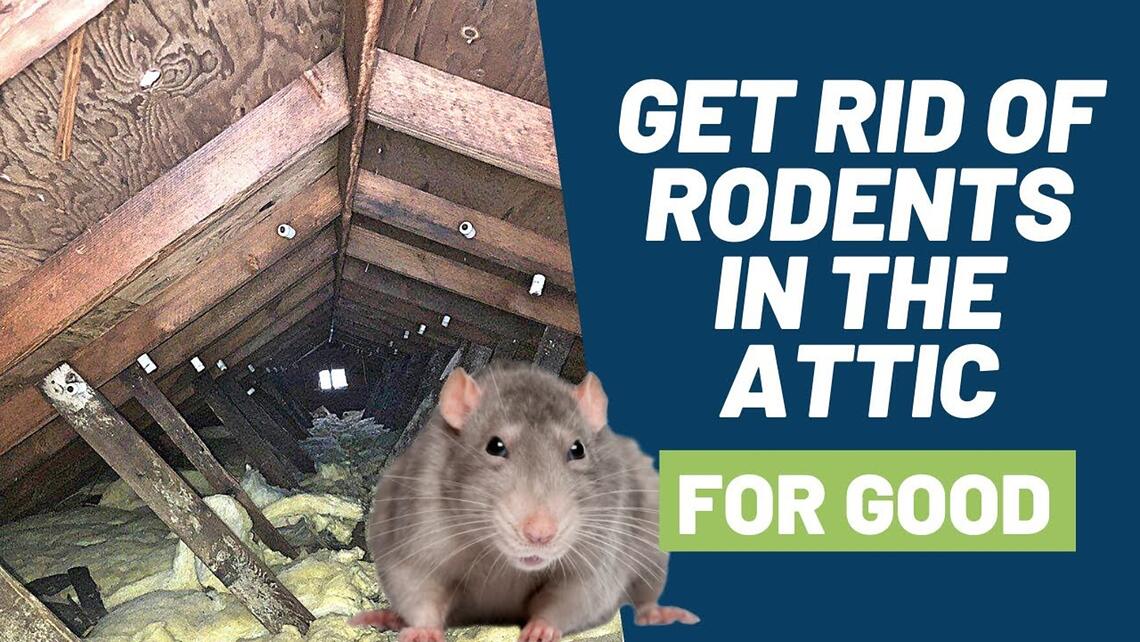
Video: 5 Step Solution to Get Rid of Rodents in Your Attic, from Atticare Construction.
What a Natomas job turns on
Three things that make this a different job from the older neighborhoods.
A shorter list, and a shorter price
No crawl space means no foundation vents, no access door and no underfloor penetrations, which removes a substantial block of work and should remove it from the price too. A quote for a slab house that lands in the same place as a quote for a 1920s bungalow has not been written off a survey. The opening list is the document that shows which one you have.
HomeGuide puts whole-building exclusion at $500 to $2,500 nationally, priced by the opening.
The garage door is the usual answer
A hardened seal, a lifted corner where the track meets the jamb, and a side door with no sweep account for a large share of the findings on a tract house. They are cheap to fix and easy to check yourself. What makes them worth taking seriously is what is stored in a garage: bird seed, pet food and bins are the reason anything comes looking.
UC IPM has a young rat under a half-inch door gap and a mouse under a quarter inch.
The mix of species is different here
Younger street trees mean less roof rat pressure than the older central neighborhoods, and a higher share of mouse calls in garages and kitchens. That changes the sealing standard from half-inch mesh to a quarter, and it changes where the traps go, which is why the species gets named from the evidence rather than assumed from the city.
UC IPM notes a house mouse seldom travels more than 30 feet from its nest.
A typical Natomas call
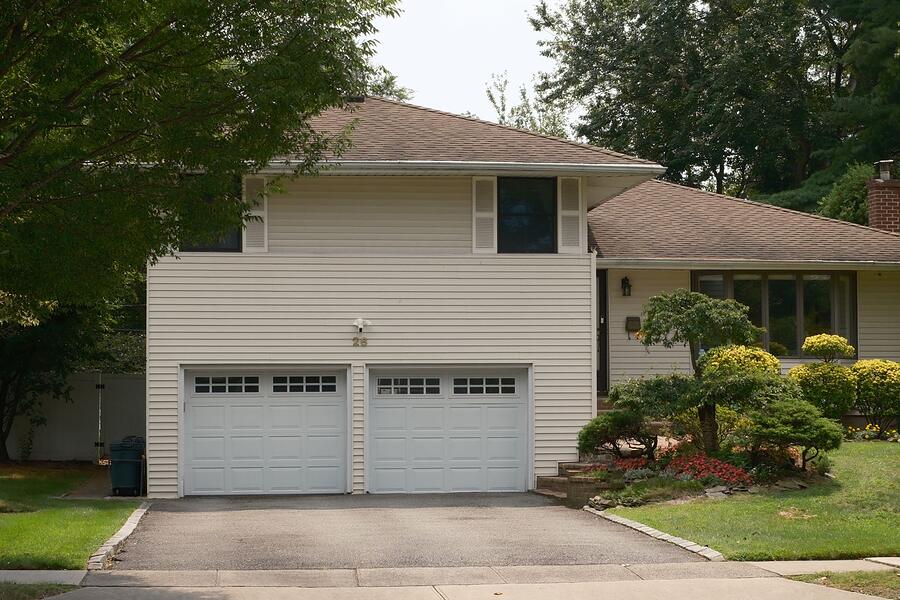
The situation: A 2003 two-story tract house in South Natomas. Droppings appearing along the back of the garage shelving and then in the pantry, plus a chewed corner on a bag of dog food. No noise overhead at all, which had the owners puzzled because they had been expecting attic rats.
What gets done: The garage roll-up door seal has hardened and lifted at the left track corner, leaving a gap at slab level, and the side door has no sweep. Two utility penetrations through the garage wall behind the water heater are open around the pipe. Droppings run from the shelving along the wall plate and into the kitchen through the gap behind the dishwasher. The door corner is closed, a sweep is fitted, the penetrations are packed and capped, and quarter-inch mesh goes over the wall plate void. Traps go into the garage corner and the pantry run.
How it turns out: Two visits a week apart. Five animals in the first five days and nothing after. The droppings were wetted before removal rather than swept, the dog food moved into a lidded bin, and the attic was confirmed clear, which is the answer the owners had wanted first. Trapping, sealing and the kitchen clearance were three lines.
Natomas questions
What callers from the newer tracts ask.
My house is on a slab. How are they getting in?
Overhead and through the garage, mostly. A slab removes the crawl space entirely, so what is left is the roof returns, the gable vents, the HVAC and plumbing penetrations through the roof, and the gaps where a dryer vent, gas line or hose bib passes through stucco. The garage is the ground-level route: a hardened roll-up door seal or a lifted track corner leaves a gap, and UC IPM has a young rat under half an inch and a mouse under a quarter.
Is it mice rather than rats out here?
More often than in the older city, yes. The street trees in Natomas are younger and smaller, so there are fewer limbs reaching a roof and less roof rat pressure, while garages and kitchens produce a steady run of house mouse calls. The difference matters because mouse sealing works to a quarter-inch standard rather than a half, and a house sealed against rats can still be open to mice.
My house is twenty years old. Should this be happening?
It is ordinary, and it is usually a maintenance item rather than a defect. Roll-up door seals harden and shrink, stucco penetrations open up around a pipe as sealant ages, and gable vent screens go brittle. All of it is ordinary at twenty years. The advantage of a newer house is that the list is short and the fixes are cheap; the survey tends to find four or five items rather than twelve.
When can somebody come out?
The phone is covered continuously, and the inspection day runs from 7am to 7pm, weekends as well. The dispatcher books the next slot the contractor covering Natomas has free. Clearing a path to the attic hatch and to the garage wall behind the water heater is the preparation that helps most.