
Rodent Removal in Orangevale, CA
Orangevale keeps large semi-rural parcels with barns, workshops and animal keeping on them, and a citrus heritage in the name. Feed and outbuildings change what an inspection is looking for.
- Semi-rural large parcels
- Outbuildings and feed stores
- Free inspection, no obligation
Free Inspection in Orangevale
The free inspection in Orangevale covers more ground than a suburban visit, because the parcels are bigger and the outbuildings matter. The walk takes in the house perimeter and its foundation vents, the crawl space door, the garage threshold, the gable vents and eave junctions and the attic, and then the barn, the workshop, the feed store and any animal housing, because on a parcel like this those are usually where the population is living.
Orangevale is unincorporated Sacramento County, roughly eighteen miles northeast of downtown. The number is answered at all hours, with site visits between 7am and 7pm across the week. Nothing is charged for the visit and the opening list is yours. Book it here or call the number at the top of the screen.
Feed stores, barns and why the house is usually second
On a semi-rural Orangevale parcel, the house is rarely where the problem starts. A sack of horse feed, a bin of chicken pellets, a bale store, a hay shed or a tack room supplies food in quantity and cover alongside it, and a rodent population builds there first and moves to the house afterward. Treating the house without touching the feed store is the most common way a job on one of these properties fails.
That changes the order of the work. The feed gets moved into metal containers with fitted lids, the store is cleared back from walls so the floor can be seen, and the outbuilding openings get closed alongside the house ones. Then the trapping, which is placed on the runs between the buildings rather than only inside them.
UC IPM is useful on the arithmetic here. A female Norway rat produces four to six litters a year and can wean twenty or more young annually, and a female house mouse five to ten litters of around five or six pups. A reliable feed supply is what lets those numbers run, which is why the bin lids matter as much as the hardware cloth.
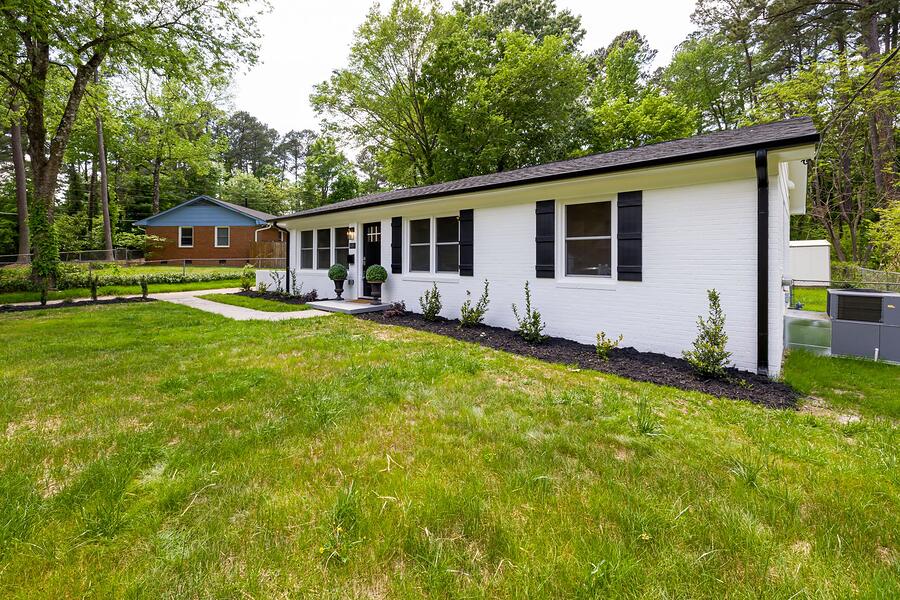
The citrus heritage and the oak cover
Orangevale takes its name from the citrus planting that was promoted here before it became residential, and established orange and lemon trees are still common on the older parcels. UC IPM records roof rats eating citrus on the tree and leaving the hollowed rind hanging, which makes a piece of fruit eaten out on the branch the clearest early sign available on these streets.
Mature oaks do the access half. Heavy spreading limbs reach rooflines on many parcels, and UC IPM describes roof rats as climbers living in attics, wall voids and ceiling voids, traveling up to 300 feet or more to feed. On a large lot with a house, a barn and a workshop, a single oak can serve all three.
The practical consequence is that an Orangevale remedy is usually three things at once: close the buildings, secure the feed, and cut the limbs back off the roofs. None of the three works well on its own.
What We Handle in Orangevale
Orangevale parcels need the outbuildings covered as well as the house.
- Norway rat removal: burrows under barns, feed stores and sheds, and activity under a raised floor
- Roof rat removal: attic runs reached off oak limbs, with the citrus identified as the food supply
- Mouse removal: feed stores, tack rooms and kitchens, sealed to a quarter-inch standard
- Rodent exclusion: the house and the outbuildings, with each opening listed separately
- Rodent inspection: the free walk of the whole parcel rather than the house alone
- Attic cleanup: droppings and nesting cleared after the trapping, wetted before removal
- Commercial rodent control: where a parcel carries a business, a boarding operation or a working yard
A Typical Orangevale Job
The situation: A house and barn on a little over an acre, with three horses, a feed room in the barn and an old orange tree near the back fence. Droppings turning up in the tack room and then in the kitchen, and scratching under the floor of the back of the house. The owners had been putting bait blocks in the barn for a year and the problem had become normal.
What gets done: The population centers on the feed room, where two sacks sit open on a wooden pallet and the wall plate has been chewed through behind them. Burrows run under the barn floor and along the fence toward the house, and two foundation vents on the house have failed. The feed goes into galvanized bins with fitted lids, the barn wall plate is covered in sheet metal, the two house vents are rescreened, and traps go along the runs between the barn and the house as well as inside both.
How it turns out: Five visits across about four weeks, which is normal on a parcel with a feed supply. The burrows are collapsed and backfilled at the end, the tack room and kitchen droppings are wetted and cleared, and the owners kept the bins. The bait blocks were discontinued, and the reason was explained: most of that chemistry is restricted in California and an animal that takes it dies inside a building.
What This Costs in Orangevale
The bands below are national, from published guides and labeled as such, because California publishes no city-level rodent cost survey. A parcel with outbuildings is priced per building rather than per house, so these figures describe the stages rather than the total.
| Stage | Typical national band | Source |
|---|---|---|
| Trapping and removal | $250 to $1,200 | HomeGuide 2026 |
| Sealing a building | $500 to $2,500 | HomeGuide 2026 |
| Cleanup and decontamination | $600 to $2,500 | HomeGuide 2026 |
| Inspection on its own | $0 to $175 | HomeGuide 2026 |
| Follow-up visit | $50 to $150 | Angi, national |
Two things make an Orangevale job sit higher than a suburban one. There is more than one building to close, and a standing feed supply means more trapping visits before the catching stops. Both are worth getting in writing: the sealing scope listed per building, and the number of follow-up visits included. The cheapest line on the whole remedy is usually a set of metal feed bins, which nobody charges you for.
Materials that keep rodents out
A comparison of what actually holds at a gap.
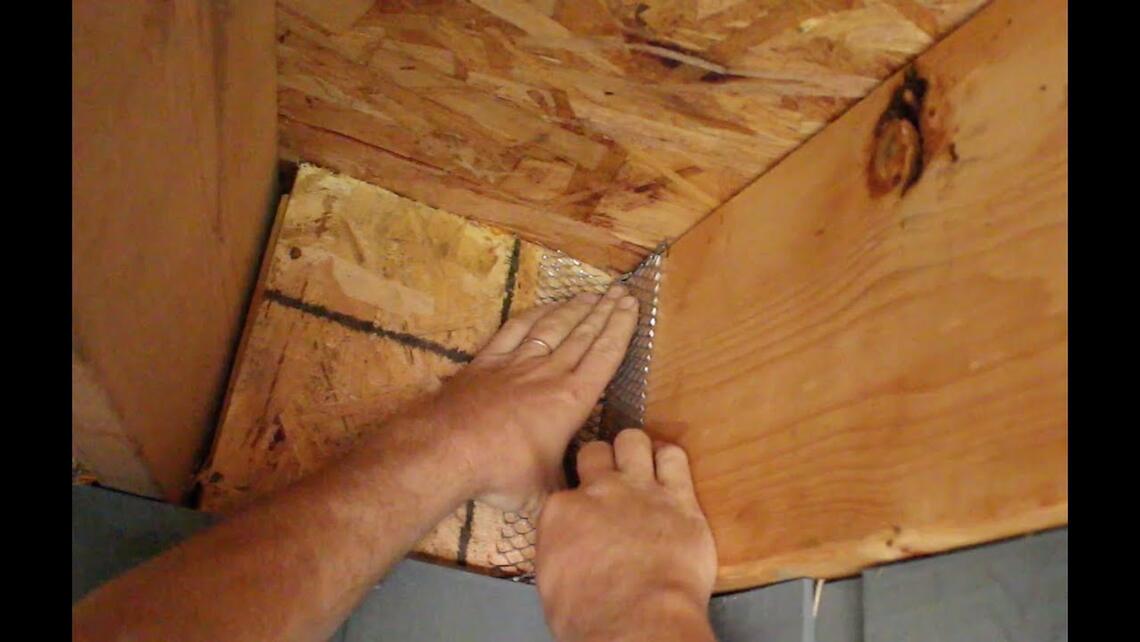
Video: How to keep mice out. Cheaper than hardware cloth, from Ontario Lakeside.
Common Questions in Orangevale
The questions Orangevale callers raise before they book.
I keep animals. Can this be dealt with safely?
Yes, and trapping is what makes it straightforward. Snap traps in placed, protected positions keep the work away from livestock and pets, and California has restricted most of the old bait chemistry anyway: AB 1788, AB 1322 and the Poison-Free Wildlife Act together suspended the second-generation anticoagulants plus diphacinone, chlorophacinone and warfarin. Tell the dispatcher what animals are on the property and where, so the placement is planned rather than improvised.
Does the feed really matter that much?
It is usually the whole problem. UC IPM gives a female Norway rat four to six litters a year with twenty or more young weaned annually, and a female house mouse five to ten litters of about five or six pups, and those numbers need a reliable food supply to run. Open sacks on a wooden pallet provide exactly that. Galvanized bins with fitted lids and a clear floor around the store do more than any amount of trapping.
Do the barn and the workshop get included?
They should, and on a parcel like this the inspection covers them by default. A job that closes the house and leaves the barn open moves the population rather than ending it, since the buildings are a few dozen feet apart and well within any rodent's working range. Ask for the sealing scope listed building by building so you can see what is and is not included.
How soon can somebody come out?
There is cover on the phone day and night, and inspections are booked into a 7am to 7pm window on any day. A parcel inspection takes longer than a suburban one because of the outbuildings, so tell the dispatcher how many buildings are involved and the right amount of time gets booked. The visit costs nothing either way.
Nearby Areas We Serve
The contractors covering Orangevale work the neighboring towns as well, across Sacramento County and the wider Sacramento metro.