Rodent Removal in Davis, CA
Davis surrounds its housing with greenbelts and backs onto farmland on every side, which keeps rodent pressure arriving from outside the city. A large rental market adds a paperwork question to the work.
- Greenbelts and farmland edge
- 1960s to 1970s housing
- Free inspection, no obligation
Free Inspection in Davis
The free inspection in Davis covers the building and the boundary, because on most lots here the pressure comes from a greenbelt, a bike path corridor or an agricultural edge. The walk takes in the foundation vents and crawl space door where the house has them, the garage threshold, the stucco or siding penetrations, the gable vents and eave junctions, the attic, and then the fence line and whatever cover sits against the wall.
Davis is in Yolo County, roughly fifteen miles west of downtown Sacramento across the causeway, and the same contractors cover it. The phone is staffed at every hour, and site visits run 7am to 7pm on weekdays and weekends alike. Nothing is charged for the visit. Book it from the contact page or call the number above.
Greenbelts, bike paths and the farmland edge
Davis built its neighborhoods around an extensive network of greenbelts, parks and separated bike paths, with mature tree planting through them, and beyond the last street the land goes straight into row crops and orchards. That structure is the city's best feature and it is also a continuous rodent corridor running between the houses.
Ground rats use it directly. UC IPM places Norway rats at ground level and below, usually in burrows, with a nightly range of roughly 100 to 500 feet around the nest, which means a greenbelt behind your fence puts several streets inside range. The farmland edge does the same thing on a larger scale, and it has a season: harvest and the first cold wet weather both move animals toward buildings.
The greenbelt trees handle the climbers. Fifty years of planting has produced substantial canopy in many neighborhoods, and UC IPM describes roof rats traveling up to 300 feet or more to feed while living in attics, wall voids and ceiling voids. A limb over a fence and onto a roof is all that is needed.
The housing stock, and who is responsible for what
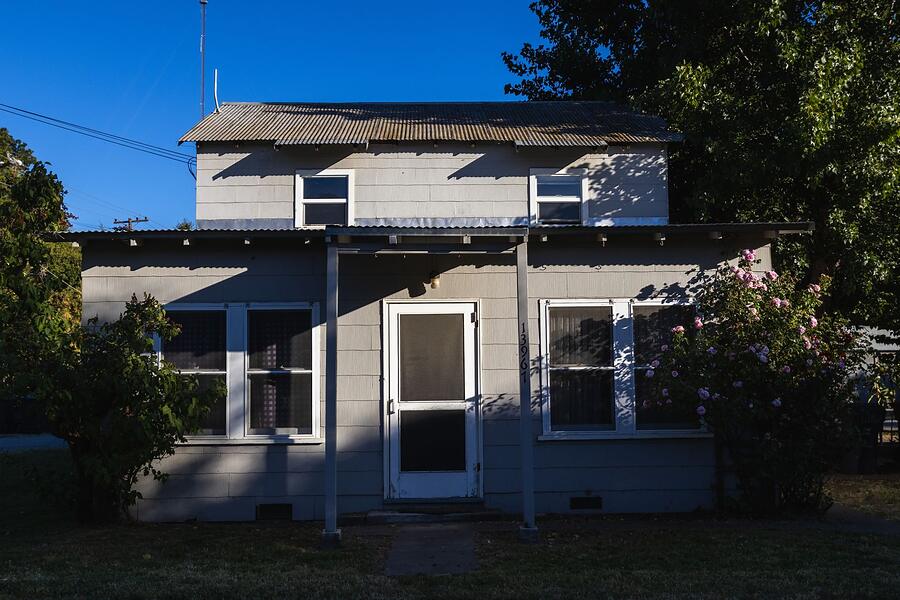
A large share of Davis housing dates from the 1960s and 1970s, with an older core near the downtown and newer subdivisions at the edges. The 1960s and 1970s period straddles the changeover from raised foundations to slab-on-grade, so both turn up, and establishing which you have is the first thing an inspection does. Where there is a crawl space, the vents and the access door lead the list; on a slab, the work is overhead and at the garage.
The other defining feature is tenure. Davis has a very large rental market, much of it houses in multiple occupation, and that splits the responsibilities. Structural sealing is work on the building and generally sits with the owner. Food storage, waste handling and keeping a kitchen clear sit with whoever lives there. Neither half works without the other, and arguments about which is at fault are usually resolved by a dated written report rather than by discussion.
Where a complaint cannot be settled between the parties, Yolo County environmental health is the route for a rodent complaint on a Davis property, in the same way Sacramento County Environmental Management handles them on the other side of the causeway.
What We Handle in Davis
Davis calls for the ground rat side rather more than the roof rat side, and the greenbelts are why.
- Norway rat removal: burrows at a greenbelt or farmland boundary and activity under a raised floor
- Rodent exclusion: foundation vents, the crawl space door, the garage threshold and the roofline, listed item by item
- Mouse removal: kitchens, garages and shared houses, sealed to a quarter-inch standard
- Roof rat removal: where greenbelt canopy has reached a roofline
- Rodent inspection: the free walk that names the species and counts the openings
- Rodent clearance letters: written reports for a tenancy start or end, which the rental market asks for regularly
- Commercial rodent control: the downtown restaurants and the food businesses, with documented visits
A Typical Davis Job
The situation: A 1972 single-story house backing onto a greenbelt, let to four tenants. Droppings in a kitchen cupboard reported in November, a scraping under the floor of one bedroom, and a dispute already underway about whether the kitchen housekeeping or the building was at fault.
What gets done: Both, as it happens. The walk finds two burrow openings in the cover at the greenbelt fence, three foundation vents with one screen failed across a panel, and a crawl space door that no longer meets its frame. Inside, the droppings trace to a gap around the waste pipe under the sink, which is a building item. The open food on an open shelf beside it is not. The pipe gap is packed and capped, the failed vent panel closes, traps go at the burrow mouths, in the crawl space and in the cupboard run.
How it turns out: Three visits over about two and a half weeks. The crawl space door is refitted with a metal edge after two empty checks and the burrows collapsed. The written report listed the areas inspected, the openings found and closed and the material used, which ended the dispute by describing both halves plainly. Four lines on the quote.
What This Costs in Davis
No California city publishes a rodent cost survey, so the figures below are national bands from published guides and are labeled as national. The free inspection is what converts them into a quote for the address.
| Stage | Typical national band | Source |
|---|---|---|
| Inspection on its own | $0 to $175 | HomeGuide 2026 |
| Trapping and removal | $250 to $1,200 | HomeGuide 2026 |
| Sealing the building | $500 to $2,500 | HomeGuide 2026 |
| Cleanup and decontamination | $600 to $2,500 | HomeGuide 2026 |
| Follow-up visit | $50 to $150 | Angi, national |
Two Davis conditions move a job inside these bands. A raised foundation adds the vents, the access door and the underfloor penetrations to the sealing list, which is common in the 1960s and 1970s stock. And a greenbelt or farmland boundary means continuous pressure from outside, so the exterior trapping takes more visits before it stops producing. Where a written report is needed for a tenancy, ask whether it is included or billed separately.
Why mice keep coming back
A look at the openings that make it repeat.
Video: EASY WAY to Get Rid of Mice in Your House FOREVER, from Silver Cymbal.
Common Questions in Davis
The questions Davis callers raise before they book.
The greenbelt behind my fence is the source. What can be done?
The corridor itself is habitat and it stays, which is the honest position. UC IPM gives a Norway rat a nightly range of 100 to 500 feet, so the boundary will keep supplying animals. Your building is the part that can be closed: foundation vents, the crawl space door, the garage threshold, and the cover you control along the fence. Closing those is what decides whether the pressure gets inside, and a pre-winter walk is the most useful free visit available.
I am a tenant. Who sorts this out?
Structural sealing is work on the building and generally the owner's responsibility, while food storage and waste handling are usually yours. The fastest route out of an argument is a dated written inspection report naming the areas checked, the openings found and what caused what, because it describes both halves plainly. Where it cannot be resolved between the parties, Yolo County environmental health handles rodent complaints on Davis properties.
Is it mice rather than rats in a shared house?
Both turn up, and the droppings separate them. Mouse droppings sit well under a quarter inch and appear in quantity wherever food is, so a cupboard will have dozens. Rat droppings run a quarter to half an inch and appear in far smaller numbers. It matters because mouse sealing works to a quarter-inch standard rather than a half, and a house sealed against rats can still be open to mice.
How soon can somebody come out?
Calls reach a person at two in the morning as readily as at two in the afternoon, and inspections are booked from 7am to 7pm daily. Davis is about fifteen miles from downtown Sacramento, so it is a straightforward drive for the contractors covering it. The dispatcher books the next open slot and the visit costs nothing.
Nearby Areas We Serve
The contractors covering Davis work the neighboring towns as well, across Yolo County and the wider Sacramento metro.