
Roof Rat Removal in Sacramento, CA
Roof rats reach a Sacramento attic along the street trees and the backyard citrus, and the scratching starts once the nights cool. Licensed contractors trap the animals inside, seal the way they came in, and leave you a written list of both.
- Free attic and roofline inspection
- No anticoagulant bait, by state law
- SPCB Branch 2 licensed contractors
What roof rat removal in Sacramento includes
A roof rat job in Sacramento has four parts: an inspection that finds the runs and the openings, trapping in the attic and wall voids, sealing of the roofline and the foundation, and a return visit that confirms the noise has stopped. The quote lists each part on its own line, so trapping, sealing and any cleanup can be judged separately.
Roof rats are the species behind nearly every Sacramento attic call. UC IPM describes them as climbers that favor attics, wall voids, ceiling voids and cabinets, and that is where the traps go. The contractor we route sets snap traps on the marked runs, checks them on a schedule, and closes the openings in sequence so nothing gets shut inside a wall. Poison bait is a smaller part of the picture than it used to be: California's anticoagulant rules changed the default method to trapping plus exclusion, and the section on the law below explains why that matters for a house with a dead-in-the-wall risk.
The inspection is free. It covers the attic, the roofline from a ladder, the crawl space or the slab edge depending on the age of the house, the garage, and the trees that touch the roof. Written findings come with the quote. Rodent exclusion and attic cleanup are the two services most often added to a roof rat job, and each has its own page.

Put a rough range on this job
Six questions, run against the HomeGuide 2026 national bands printed further down. The spread stays wide deliberately: the count of openings drives the price and no form can count them.
Figures are national HomeGuide 2026 bands, because California publishes no city-level rodent cost survey. The free inspection settles every line.
Signs you have roof rats and not something else
Scratching or running sounds in the ceiling after dark, droppings about half an inch long with pointed ends, and hollowed-out oranges still hanging on the tree are the three signs that point at roof rats before anyone climbs into the attic. UC IPM notes that roof rats eat citrus and avocados on the tree and leave the emptied rind in place, which is a giveaway in a city with a lemon or orange tree in most older backyards.
Other signs are less specific to the species but still worth reporting when you call.
- Grease marks along a beam, a pipe or the top of a fence where the same animal runs the same route every night.
- Gnawing on the plastic of a garage door seal, on stored cardboard, or on the insulation of wiring in the attic. UC IPM records that rats chew through wires and can start fires, so gnawed wiring is a reason to move quickly.
- Insulation pushed into tunnels and mounds, with a smell of urine near the attic hatch.
- A dog or cat that stares at one point on the ceiling every evening.
- Daytime footfalls, which usually mean a squirrel instead. Squirrel work needs a separate trapping license in California, so say what time of day you hear it.
The emotional side is real. People describe lying awake listening for the next run, and being told by friends that a rat in the attic is nothing. It is a fair reason to call, and the inspection settles what the noise is.
Exclusion first, then trapping: the order that ends the job
The job ends when the openings are closed, so sealing is planned before the first trap is set. On the first visit the openings with no traffic are closed with hardware cloth, sheet metal or mortar, the active runs are left open, and traps go on those runs. Once the traps go quiet the last openings are closed. Trapping alone catches replacements: a roof rat will travel 300 feet or more for food according to UC IPM, which puts every neighbor's citrus tree inside the range of an open eave.
Snap traps against the remaining baits
Snap traps are the standard tool on a Sacramento roof rat job, because an animal caught in a trap is an animal that can be removed. The baits still registered in California after the anticoagulant restrictions are bromethalin, cholecalciferol and zinc phosphide per UC IPM, and a rodent that feeds on any of them dies wherever it happens to be, which in a roof rat's case is usually your attic or a wall void. Some contractors keep a bait station outside as a monitoring tool. Inside the house, traps.
UC IPM's placement advice is what a good technician follows: traps 10 to 20 feet apart along the runs, set across the path with the trigger toward the wall, baited but left unset until the bait has been taken a few times, because rats are wary of new objects. That is also why a job takes more than one visit.
Steel and mortar against foam
UC IPM lists wire screen, sheet metal and coarse steel wool as the materials that hold, and specifies 16 or 18 gauge hardware cloth with half-inch mesh for rats. Expanding foam on its own is chewed through in a night. Foam has a place as a backer behind mesh, and that is all.
How long does it take to get rid of roof rats?
A house with a handful of roof rats and a sealed roofline is usually quiet inside a week; a heavy, long-running infestation takes a month or two. HomeGuide's national guide puts trapping a small number of animals at about two to three days and a severe infestation at one to two months. The difference is almost always the sealing. The four-month stories homeowners tell each other online are trapping programs with nothing closed, where every animal removed is replaced from the trees.
Expect at least two visits: the first to set traps and close the unused openings, the second to check, reset and close the active runs. A third visit is common on older houses with a crawl space, because the foundation vents get inspected again once the attic is quiet.
What is the cheapest way to get rid of rats?
Sealing the openings and running snap traps once is the cheapest route that stays finished. A box of traps from the hardware store is cheaper on the day, and it is a reasonable first move for someone who has found the opening and can reach it. The reason it fails so often in Sacramento is the opening: it is at the eave or the foundation vent, it is a quarter inch to half an inch wide, and it is one of six.
The poison-only plan looks cheapest and tends to cost the most, because the follow-up is a dead animal somewhere in the framing and a dead rodent removal visit to cut it out. Recurring monitoring contracts sold in place of sealing are the other expensive route; the questions to ask about those are further down.
What roof rat removal costs in Sacramento
Trapping and removal for a typical Sacramento house lands between a few hundred dollars and about twelve hundred, with sealing priced as its own line on top. No Sacramento-specific cost dataset is published by any national guide, so the bands below are national figures and are labeled that way; the free inspection turns them into an itemized quote for your house.
| Line item | Typical band (national) | Source |
|---|---|---|
| Inspection | Free here; $0 to $175 elsewhere | HomeGuide 2026 |
| Trapping and removal | $250 to $1,200 | HomeGuide 2026 |
| Rodent removal, average job | $395 average, $189 to $655 typical | Angi (national) |
| Follow-up visit | $50 to $150 | Angi (national) |
| Full-home exclusion sealing | $500 to $2,500 | HomeGuide 2026 |
| Attic cleanup and decontamination | $600 to $2,500 | HomeGuide 2026 |
What moves a quote within those bands: the number of openings and how high they are, whether the house has a crawl space as well as an attic, how long the animals have been in, and whether the insulation needs to come out. Every figure is a typical-job band, confirmed at the inspection.
Why Sacramento is roof rat country
Sacramento has called itself the City of Trees since the 1850s, and the city's urban forest plan counts roughly a million trees and about 19 percent canopy cover, with a goal of 35 percent by 2045. For a climbing rodent that is a road network. Branches over the roof, ivy and star jasmine up the walls (UC IPM names both as conducive to roof rat foraging), and citrus in the yard put the animal on the roofline with food on the way.
The housing helps them too. East Sacramento, Midtown, Land Park, Curtis Park and Oak Park are mostly pre-1975 houses, and houses of that age usually sit on a raised foundation with a ventilated crawl space and a ventilated attic. Foundation vents with torn screens, crawl-space access doors, gable vents, gaps at the eave and plumbing penetrations are the openings on that stock. The newer slab tracts in Natomas and out toward Elk Grove have a shorter list: garage door seals, roof returns and the penetrations around HVAC lines.
Season matters. Hot dry summers and mild wet winters mean roof rats are active all year, and they move indoors from roughly September through February as the nights cool and the rain starts. That is when the calls peak.
The anticoagulant law and what it means for your attic
California restricted anticoagulant rat baits in three steps: AB 1788 in 2020 put a moratorium on second-generation anticoagulants, AB 1322 added diphacinone from January 1, 2024, and AB 2552, the Poison-Free Wildlife Act signed in September 2024, extended the moratorium to the remaining first-generation anticoagulants, chlorophacinone and warfarin, with public-health and agricultural exemptions. Other rodenticide actives remain registered, so the accurate statement is that anticoagulant bait is off the table for a routine residential job, and trapping plus sealing is the professional default. The EPA notes that death from anticoagulant bait typically follows four days to two weeks after feeding begins, which is the mechanism behind the dead-in-the-wall problem the law happened to reduce.
What to check on the contractor before work starts
Anyone inspecting for rodents, trapping them or applying bait for hire in California must work for a company registered with the Structural Pest Control Board and licensed in Branch 2. Every contractor we route holds that license, and the Board's public license lookup lets you confirm any company registration in a minute. Minor exclusion such as mesh, hardware cloth and sealant falls under Branch 2; if the job turns into structural wood repair, that needs Branch 3 or a CSLB-licensed contractor, and a good quote says so.
Beyond the license, the questions homeowners tell each other to ask are the right ones.
- Is the quote itemized, with trapping, sealing and cleanup on separate lines?
- How many follow-up visits are included, and what does an extra one cost?
- Does the sealing come with a warranty, and is it a one-time term or renewable? Some Sacramento-area companies publish one- and two-year terms; ask for the terms in writing.
- Will the same company handle the cleanup, or is that a separate contractor?
- What happens if the noise comes back after the last visit?
The about page covers who answers the phone and what the first visit looks like; the contact page has hours and the office address.
Services that run alongside this one
Most Sacramento jobs move through two or three stages, and these pages cover the steps either side of this one.
- Rodent Exclusion: Closing foundation vents, crawl space doors, gable vents and eave gaps in steel and sheet metal.
- Attic Cleanup and Decontamination: Droppings and soiled material cleared and the attic sanitized, wetted first as CDPH advises.
- Rodent Inspection: A free walk of the roofline, attic and crawl space that decides the order of the whole job.
How the stages fit together is set out on the about page, and the line is open at any hour if you would rather ask.
What a brown rat is
Background on the species and how it lives.
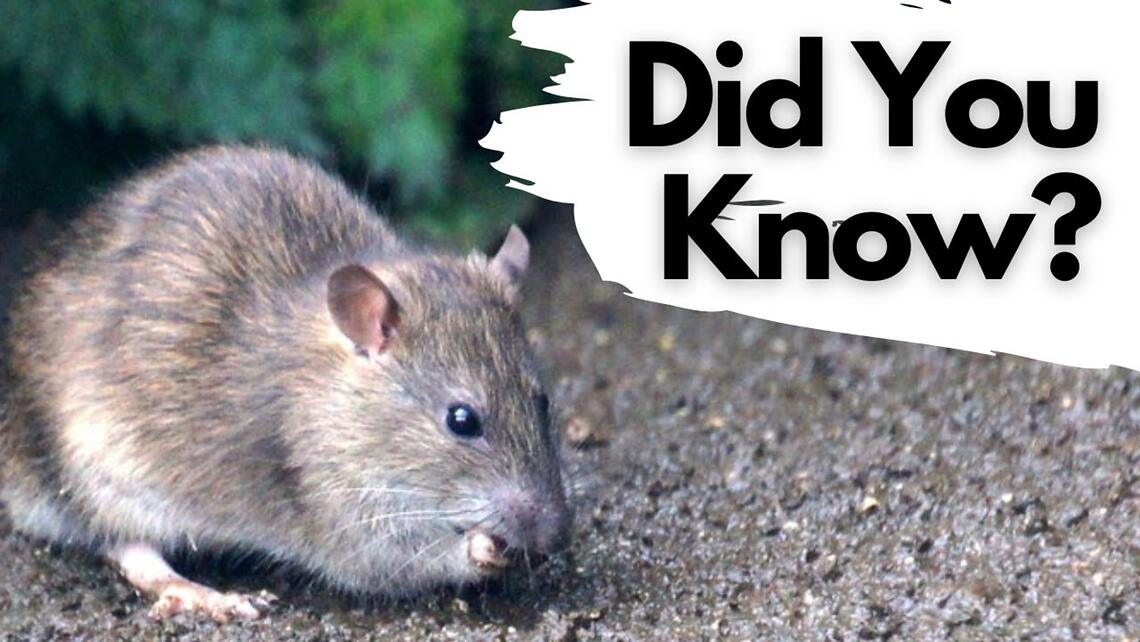
Video: Things you need to know about brown rats, from A Shot Of Wildlife.
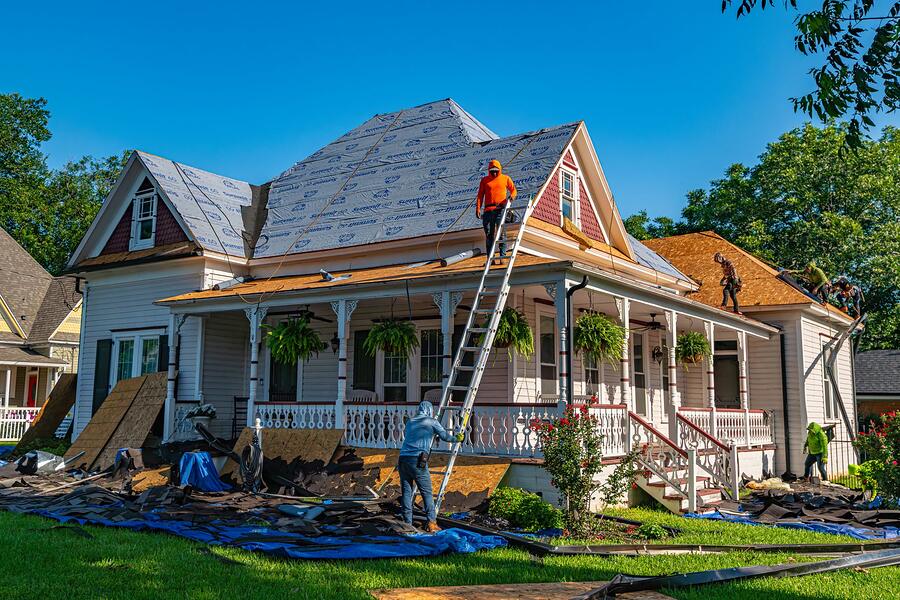
How a roof rat job runs in Sacramento
Five steps in a fixed order, with the sealing planned before the first trap is set.
-
Call and describe the noise
The room it sits over, the hour it starts, how many nights it has run, and anything you have already found. Four answers usually name the species before a truck leaves.
-
Free inspection
Attic, roofline from a ladder, crawl space or slab edge, garage, and the trees touching the roof. Every opening is recorded and the quote is written from the findings.
-
Close the unused openings
Hardware cloth, sheet metal and mortar go on every opening with no traffic, measured against the half-inch and quarter-inch figures UC IPM publishes.
-
Trap the active runs
Snap traps go on the marked runs, 10 to 20 feet apart, checked and reset on a schedule. Removed animals leave with the technician.
-
Close the last runs and confirm
Once the traps go quiet the remaining openings are sealed, the attic is checked for fresh sign, and you get the written list of every closure.
Ready to start? Call (916) 644-8455 or Book a Free Inspection.
What separates a job that ends from one that runs for months
Three things, each of which you can check before you agree to anything.
The opening is closed to the measured standard
UC IPM puts the gap a rat can squeeze under at half an inch and a mouse at a quarter inch, and those are the numbers the sealing is checked against on every Sacramento eave, vent and penetration. Steel mesh, sheet metal and mortar are the materials; foam alone is a chew toy. A trapping program with an open eave is a harvest, and the contractor we route sequences the closure so the harvest ends.
Half-inch and quarter-inch gap figures, UC IPM Pest Notes
No anticoagulant bait in the house
California's AB 1788, AB 1322 and AB 2552 took anticoagulant rat baits out of routine residential use, so a poisoned animal dying in your wall is no longer the default outcome of a rat job here. Snap traps in the attic and sealing behind them are the method, and a homeowner can see the result of each visit in the trap count and the closure list.
AB 2552, the Poison-Free Wildlife Act, signed September 2024
A price band before anyone visits
HomeGuide's national band for trapping and removal is $250 to $1,200 and Angi's national average is about $395, and those figures are printed here so a quote can be read against them. The free inspection produces an itemized quote with trapping, sealing and cleanup on separate lines, which is the shape homeowners online say they could never get from a bundled number.
HomeGuide 2026 and Angi national cost data
What Reddit Says About Roof Rat Removal in Sacramento
Homeowners comparing notes online get several bids for the same scope before choosing anyone, because a single quote for rodent work is impossible to judge. They ask for the quote broken into trapping, exclusion and cleanup, and they ask whether the company does the sealing itself or only sets traps.
The red flag they warn each other about most is a poison-only plan with no sealing, often sold with the line that the poison makes the rat thirsty so it goes outside to die. That line is treated as a mark of a dishonest operator. Close behind it: a quote that folds a long monitoring contract into the removal price, sealing done while animals are still inside, and a company that keeps coming back for months with no change.
The questions they tell each other to ask: what exactly is included and what is a separate line, whether the sealing is warrantied and for how long, how many follow-up visits are in the price, whether cleanup is included, and what happens if the animals come back. Timelines come up constantly, with two months described as normal and four months as a sign the openings were never found.
Every one of those questions has an answer below, and the free inspection is where the itemized quote comes from.
A typical roof rat call from a canopy street
The situation: A 1930s bungalow on a street of mature elms east of downtown, with a Meyer lemon against the back fence. Running sounds over the back bedroom every night since the first cool week of October, a few hollowed lemons on the ground, and a homeowner who has moved to the couch and been told by a coworker that it is probably squirrels.
What gets done: The inspection finds droppings along a ceiling joist, a gable vent with a rusted screen where a limb touches the roof, and two foundation vents on the north side with torn mesh. The gable vent and the two foundation vents are screened in steel on the first visit, traps go on the joist run, and the one opening still in use, a gap at the eave return, is left for the second visit.
How it turns out: Three animals over eight days, the eave return closed on the return visit, and a written list of four closures with the materials used. The quote had trapping and sealing on separate lines, and the homeowner had the limb cut back the following month.
Roof rat questions Sacramento homeowners ask first
Short answers to what comes up on nearly every call.
Is it roof rats or mice in my attic?
In Sacramento it is roof rats far more often. Noise in the ceiling after dark, droppings about half an inch long with pointed ends, and rub marks on beams are the roof rat pattern. Mice leave much smaller droppings and tend to stay near kitchens, garages and wall voids close to food; UC IPM notes a house mouse seldom travels more than 30 feet from its nest. The free inspection settles it from the droppings.
Do I really need the openings sealed if the traps are catching rats?
Yes, because the traps are catching replacements. UC IPM puts a roof rat's foraging range at 300 feet or more, so an open eave keeps drawing animals from well beyond your lot for as long as it is open. Sealing is what gives the trapping an end date, and it is the line item that a quote should always carry.
What keeps roof rats away permanently?
A sealed building and a trimmed roofline. Repellents, ultrasonic plugs and outdoor bait do nothing about the opening. Steel mesh at the vents and eave gaps, mortar at the foundation, and branches cut back from the roof are what hold, and a written closure list tells you what was done where.
Should I put poison in the attic?
No. Anticoagulant baits are restricted in California for routine residential use, and the baits that remain kill an animal wherever it happens to be, which for a roof rat is your attic or a wall. The EPA notes that anticoagulant death follows four days to two weeks after feeding. Snap traps on the runs remove the animal instead of hiding it.
How soon can someone come out?
The phone is answered 24 hours a day and the free inspection is booked with the contractor covering your part of the metro; inspections run seven days a week between 7am and 7pm. Say what you hear and where, and the dispatcher lines up the visit.