Rodent Removal in Land Park
Land Park puts older houses on generous lots beside one of the largest mature tree collections in the city. The result is steady roof rat pressure and a crawl space under most of the housing stock.
- 1920s to 1940s housing
- Park canopy on the doorstep
- Free inspection, no obligation
What the houses here are built on
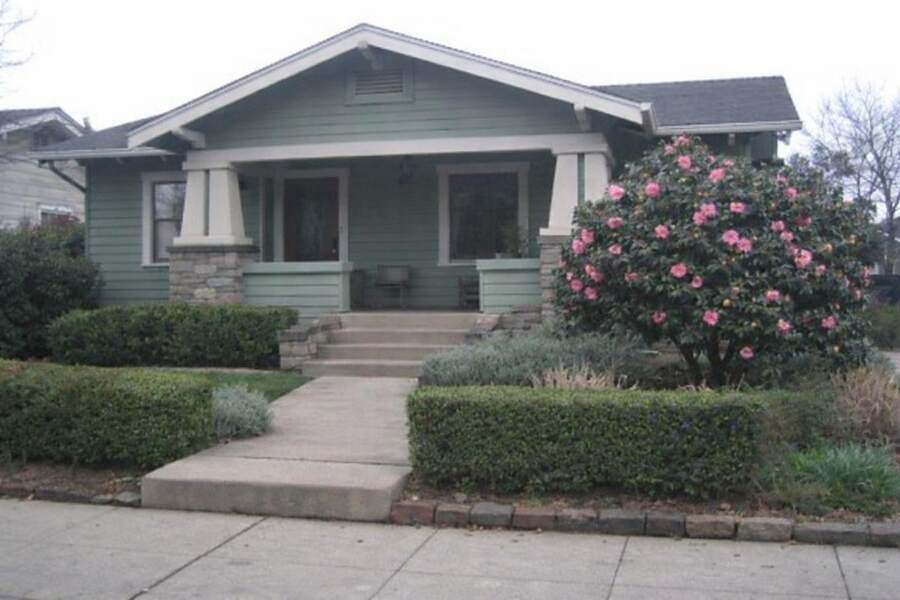
The residential blocks around William Land Park went up largely between the 1920s and the 1940s, in Tudor, Spanish and bungalow styles, with a later band of post-war stock at the edges. Houses of that period typically sit on a raised foundation over a ventilated crawl space, under a ventilated attic, and a great many retain their original foundation vent screens.
Original screens are the recurring finding. Thin metal in a damp crawl space for eighty or ninety years corrodes at the corners first, and a corner is all that is required: UC IPM puts a young rat under a door with a half-inch gap. The crawl space access door is the second item, because the frames move and the doors rarely meet them properly after this long.
Lots here are wider than in Midtown, which helps in one way and not in another. More space between buildings means less movement along a lot line, and more garden means more planting, more sheds and more cover up against a foundation.
Living next to a mature tree collection
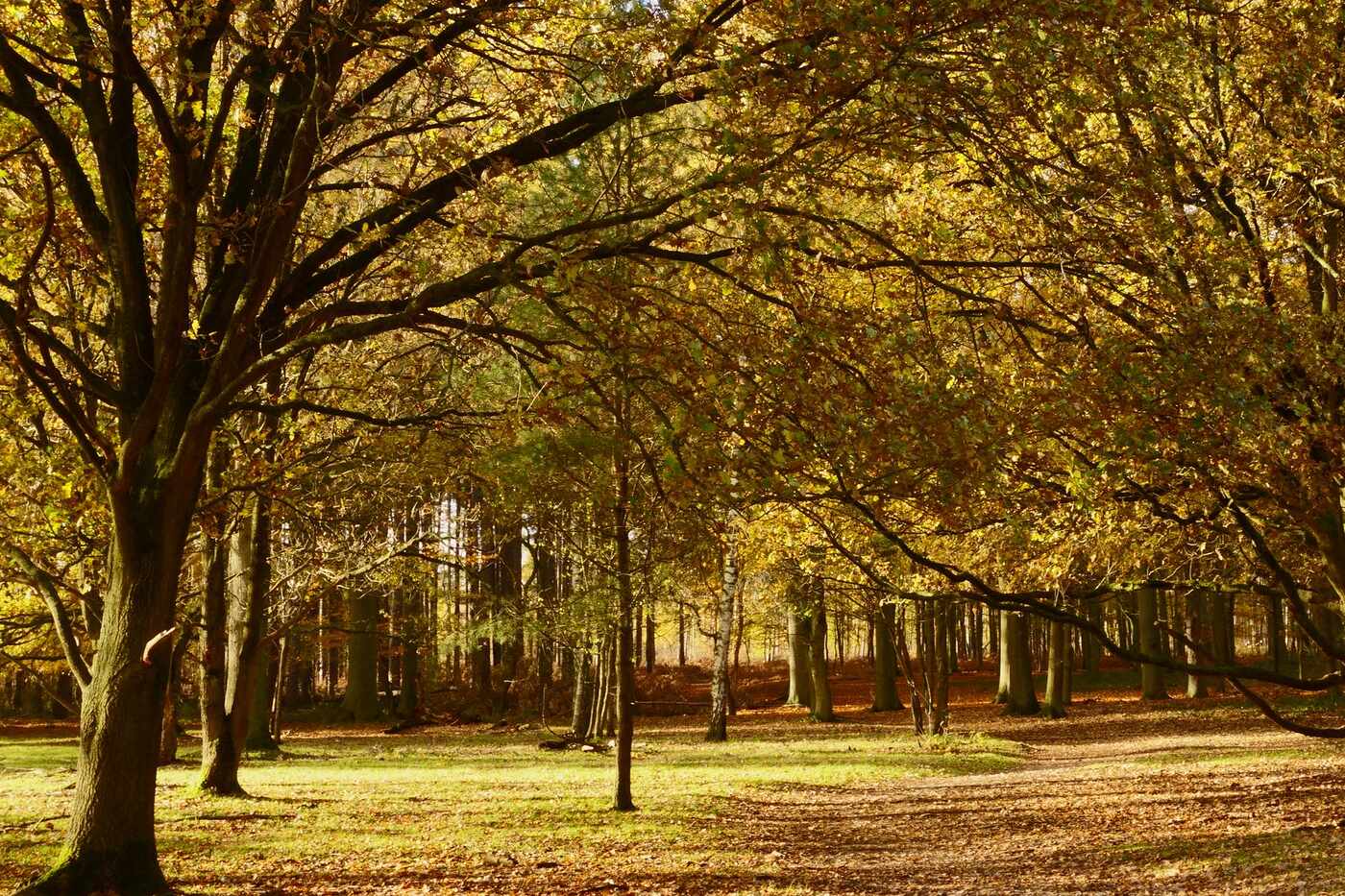
William Land Park carries a dense stand of mature trees immediately alongside the housing, and the street trees on the surrounding blocks are substantial in their own right. The city urban forest plan counts roughly a million trees and about 19 percent canopy cover across Sacramento, with a target of 35 percent by 2045, and this is one of the neighborhoods where that average is comfortably exceeded.
For roof rats that is continuous cover with a permanent population in it. UC IPM describes them as reaching structures by climbing and living in attics, wall voids and ceiling voids, and traveling up to 300 feet or more in search of food, which puts every house on the park edge inside range of the park itself. Add fruit trees in the gardens, which UC IPM notes roof rats hollow out on the branch, and the pressure is constant rather than seasonal.
There is nothing to be done about the park, and that is the point. The building is the part that can be closed, and on these blocks it needs closing at both ends.
What a visit in Land Park looks like
The perimeter walk is the long part. Every foundation vent counted and its screen checked, the crawl space door opened and its fit assessed, the pipe penetrations through the underfloor found, then sheds, decking and planting read for cover against the building. The roofline follows: gable vents, eave junctions, and which limbs make contact.
Where activity is in the attic the traps go along the runs found there, spaced 10 to 20 feet apart as UC IPM advises and sometimes left baited and unset at first, because an established population is wary of anything new. Quiet openings close on the first visit in half-inch hardware cloth and sheet metal; the active ones wait until the checks come up empty.
These blocks most often need roof rat removal and rodent exclusion together, with a free inspection first to decide the order. The contact page carries the hours and the address.
Why mice keep coming back
A look at the openings that make it repeat.
Video: EASY WAY to Get Rid of Mice in Your House FOREVER, from Silver Cymbal.
What a Land Park job turns on
Three things that decide how long this takes.
The crawl space is half the building
A raised foundation means the opening list starts at the soil: every vent, the access door and its frame, and the plumbing and conduit penetrations through the floor. On housing of this age the screens are usually original, and a single corroded corner is a working entrance. A quote that prices the roofline and stops has covered half the job.
UC IPM has a young rat passing under a door with only a half-inch gap.
The park supplies a permanent population
Continuous mature canopy next to the housing means there is no quiet season to wait for. UC IPM has roof rats traveling up to 300 feet or more in search of food, which places the whole park edge inside range. The consequence is that exclusion carries this neighborhood and trap counts mean very little here.
The city urban forest plan records about 19 percent canopy cover, with 35 percent targeted by 2045.
Garden cover does as much as the trees
Sheds on bare soil, decking with an open skirt, woodpiles against a wall and ivy up a fence all supply cover right at the foundation line, and on a wide Land Park lot there is usually plenty of it. UC IPM names English and Algerian ivy, star jasmine and honeysuckle as conducive to roof rat foraging. Clearing a few feet of ground around the building costs nothing.
UC IPM lists climbing hedges among the conditions conducive to roof rat activity.
A typical Land Park call
The situation: A 1936 Spanish-style house two streets from the park. Scratching under the floor of the front room through a wet January, a smell of ammonia in a hall cupboard, and an owner who had already put down a bait block bought at a hardware store and heard nothing change.
What gets done: The walk finds six foundation vents, three with screens failed at a corner, and a crawl space door with a half-inch gap along its bottom edge. Under the floor there are droppings across two joist bays and a nest of shredded material against the front wall. No attic activity at all. The three failed vents are rescreened in half-inch hardware cloth and the door gets a metal edge, traps go along the crawl space perimeter, and the remaining vent carrying the run stays open.
How it turns out: Three visits over about two and a half weeks. The last vent closes after two empty checks, the nest and the droppings are wetted and cleared from under the floor, and the owner is told why the bait block was the worst available option on an occupied house. Sealing, trapping and the underfloor clearance were three lines on the quote.
Land Park questions
What callers from these blocks want to know.
The noise is under the floor rather than in the attic. What does that mean?
It points at a ground species rather than a climber. UC IPM places Norway rats at ground level and below, usually in burrows, while roof rats live in attics, wall voids and ceiling voids. On a raised-foundation house in Land Park that means the inspection starts at the foundation vents and the crawl space door, and the trapping goes in underneath rather than overhead. Both can happen at once, which is why the walk covers the whole building.
Can I just put bait in the crawl space?
It is the wrong move on an occupied house, and most of the chemistry is restricted here anyway. California suspended the second-generation anticoagulants under AB 1788, added diphacinone under AB 1322 and extended the suspension to chlorophacinone and warfarin under the Poison-Free Wildlife Act. The EPA puts death at four days to two weeks after feeding begins, so an animal that takes bait dies under your floor. Trapping removes it from the building instead.
Does the park mean this will keep happening?
It means the pressure stays, and it does not mean the problem has to. Continuous mature canopy alongside the housing keeps a population nearby, and UC IPM has roof rats traveling up to 300 feet or more for food. What changes the outcome is whether the building is closed, which is why the written list of sealed openings matters more here than anywhere else, and why limbs touching the roof are worth dealing with.
When can somebody look at it?
Someone answers whenever you ring, and inspections are scheduled between 7am and 7pm, every day. The dispatcher books the next slot the contractor covering Land Park has free. Unscrewing the crawl space access door before the visit is the one thing that shortens it most.