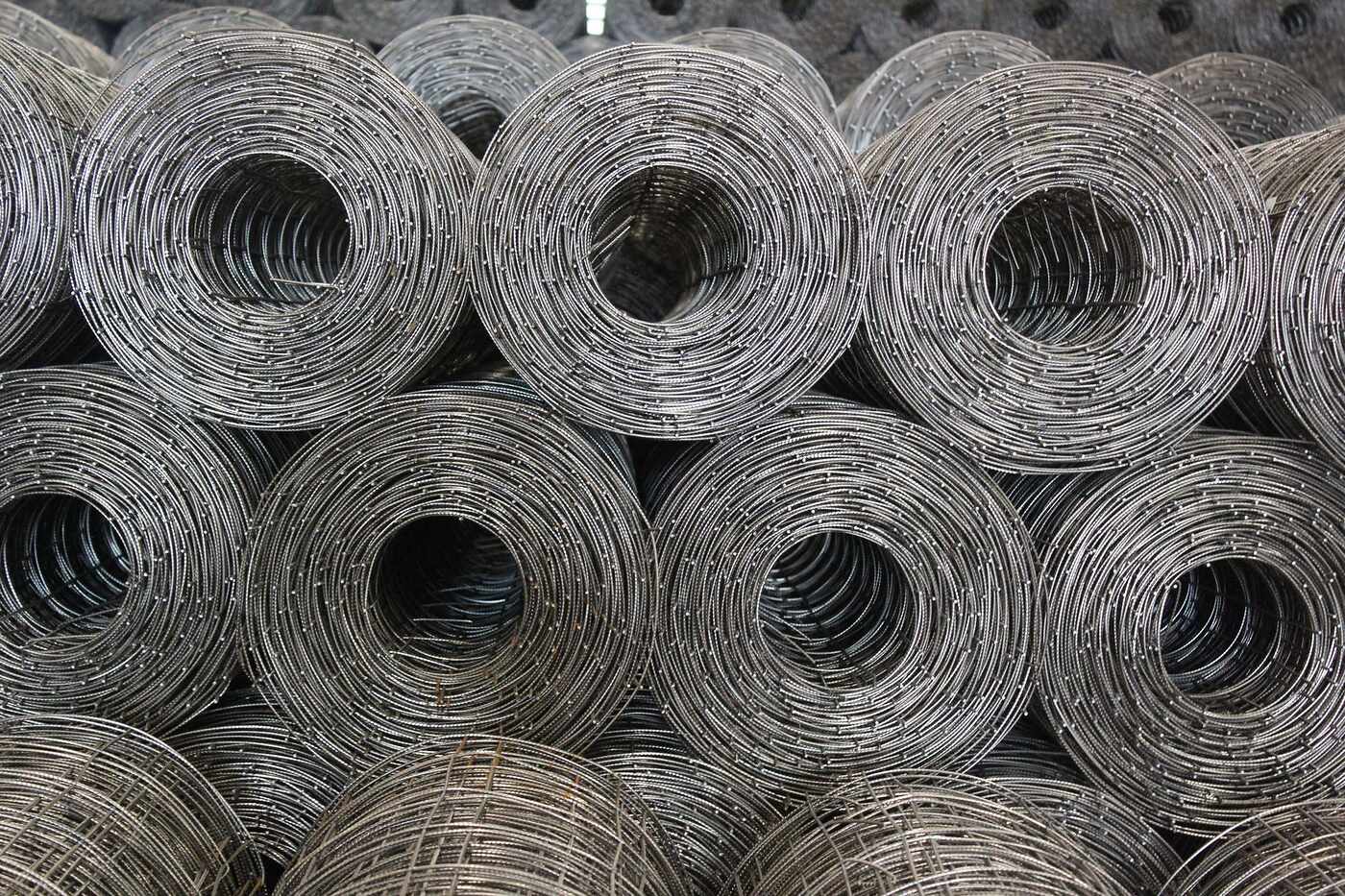
Rodent Exclusion in Sacramento, CA
Exclusion is the part of the job that decides whether the trapping ever ends. Every opening on the building found, listed and closed in steel, from the foundation vents up to the ridge.
- Steel mesh and sheet metal
- Every opening listed in writing
- Free inspection, itemized quote
What rodent exclusion in Sacramento includes
Exclusion is a survey followed by metalwork. The survey walks the whole building and records each opening as its own item, with a photograph, so the quote reads as a list of closures rather than one figure for the house. The metalwork then closes them in materials that hold up against teeth.
On a pre-1975 Sacramento house that list runs the full height of the building. Foundation vents with original screens rusted at the corners. The crawl space access door and the frame it sits in. Every pipe and conduit that passes through the underfloor. Gable vents with louvers screened in something that has gone brittle. The point where an eave meets a wall above a porch roof. The corners and the threshold of the garage door.
On a slab house in Natomas or out toward Elk Grove the underfloor items drop away and the work concentrates overhead: roof returns, the gap where a soffit meets the wall, HVAC and plumbing penetrations, the garage door seal and its corners.
- Full perimeter and roofline survey, each opening recorded and photographed
- Half-inch hardware cloth in 16 or 18 gauge over rat-sized openings, a quarter inch where mice are involved
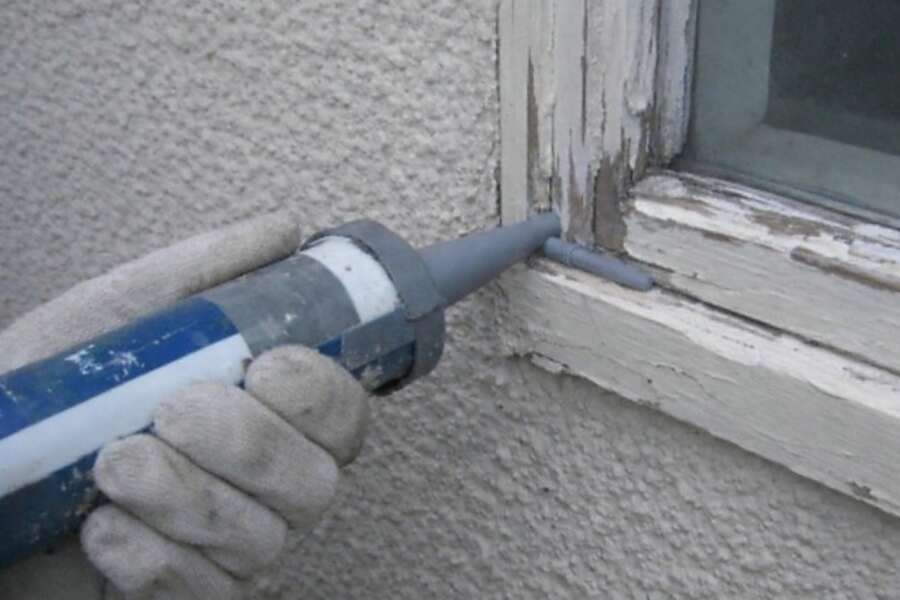
- Sheet metal over edges already chewed through
- Coarse steel wool packed into gaps too awkward to screen
- A written list of what was closed, which is what a guarantee has to refer to
Put a rough range on this job
Six questions, run against the HomeGuide 2026 national bands printed further down. The spread stays wide deliberately: the count of openings drives the price and no form can count them.
Figures are national HomeGuide 2026 bands, because California publishes no city-level rodent cost survey. The free inspection settles every line.
The materials that hold, and the one that does not
UC IPM names the materials plainly: openings are sealed with wire screen, sheet metal or coarse steel wool, and hardware cloth for rat work is specified in 16 or 18 gauge at half-inch mesh, dropping to a quarter inch where mice are the problem. Those are the standards a proper quote is written against, and they are easy to check once the work is done.
Expanding foam is the material that fails. It fills a gap, it looks finished, and a rat chews through it in a night, which is why a foam-only quote is usually the cheap one. Foam has a place as a backing behind mesh or as an air seal; on its own, in an opening an animal is already using, it is decoration.
Two details separate careful work from quick work. Mesh has to be fastened over the edges rather than pushed into the hole, because a rat works the perimeter. And a chewed wooden edge needs sheet metal over it rather than mesh alone, since the animal has already proved it can take the wood away.
Why the sealing is staged instead of done in one visit
Sealing a building with animals inside it creates two problems at once: the animals look for a new way out, often downward into the living space, and any that die inside do so in a wall or under a floor. So the sealing is split.
On the first visit the openings with no current traffic are closed. That takes the building from a dozen ways in and out down to two or three, which is what makes the trapping work: UC IPM advises spacing traps 10 to 20 feet apart, and leaving them baited but unset until the bait has been taken several times where the animals are wary of anything new. Once the checks come up empty, the last runs are closed.
It is slower than a single visit and it is the reason a real exclusion quote has follow-up visits on it. Angi puts national follow-up visits at $50 to $150 each, so ask how many the price covers before you sign anything.
What keeps rats away permanently?
A closed building, maintained. Nothing else on the market touches the problem: ultrasonic plugs, repellent granules and bait stations all leave the opening exactly as it was, and UC IPM has roof rats traveling up to 300 feet or more in search of food, so the pressure from a neighbor's fruit tree never goes away on its own.
Two things outside the building matter alongside the metalwork. Branches touching a roof are a bridge, and cutting them back is the cheapest exclusion anyone will ever do. And UC IPM lists climbing hedges as conducive to roof rat foraging by name: Algerian and English ivy, star jasmine and honeysuckle. A wall of ivy against a house is cover and a ladder at the same time.
Is it safe to do exclusion before trapping?
Partially, and that partial is the whole method. Closing the openings that carry no traffic is safe and useful on day one, because nothing is inside those. Closing the runs that are in use, while animals are still in the building, is what causes the problems people post about: activity moving into the wall cavities, and a carcass somewhere you cannot reach.
So the answer is to start the sealing immediately and finish it last. Any contractor who wants to seal everything on the first visit and leave has quoted a job they do not intend to come back to.
What exclusion costs, and why the bands are national
There is no published Sacramento cost survey for rodent work, so the figures below come from national sources and are labeled that way. Nobody can give you a real number without counting the openings, which is what the free inspection does.
| Item | Typical national band | Source |
|---|---|---|
| Full-home exclusion sealing | $500 to $2,500 | HomeGuide 2026 |
| Inspection on its own | $0 to $175 | HomeGuide 2026 |
| Trapping and removal alongside it | $250 to $1,200 | HomeGuide 2026 |
| Follow-up visit | $50 to $150 | Angi, national |
| Full-scope restoration, worst case | $3,000 to $10,000 and up | HomeGuide 2026 |
Three things move an exclusion figure inside that range. A raised foundation adds the whole underfloor perimeter to the list, which is most of the pre-1975 housing in the older neighborhoods. A two-story elevation adds access equipment. And a building that has already been chewed needs sheet metal and sometimes a carpenter, which crosses out of Branch 2 into structural work. National guides price basement sealing that houses here rarely have; locally that line lands on the crawl space instead.
Why the age of a Sacramento house sets the opening list
Two kinds of building produce two kinds of exclusion quote. East Sacramento, Midtown, Land Park, Curtis Park, Oak Park and Del Paso Heights are dominated by pre-1975 stock, much of it Craftsman bungalows and Tudor Revivals now 70 to 100 years old with original foundations and roofs. Houses of that era usually sit on a raised foundation over a ventilated crawl space under a ventilated attic, so the opening list starts at the soil and finishes at the ridge.
Natomas and the southern tracts are the newest stock and predominantly slab-on-grade. Nothing lives under the floor, so the work moves overhead and the list is shorter: roof returns, gable vents, HVAC penetrations, the garage door. A slab house is usually a cheaper and faster exclusion job, which is worth knowing before you read a quote.
The canopy sits over both. The city urban forest plan counts roughly a million trees and about 19 percent canopy cover, aiming at 35 percent by 2045, and the City of Trees name dates to the 1850s. That shade is exactly why roof rats dominate here and why the roofline items on an exclusion list are never optional. Add the river corridor, where winter rain floods bank burrows and pushes Norway rats toward the nearest foundation vent, and the case for closing the building at both ends makes itself.
What to check before exclusion work is agreed
The company has to be registered with the California Structural Pest Control Board and licensed in Branch 2, the general pest category that covers household pests and rodents. Minor exclusion in mesh, hardware cloth and sealant falls inside Branch 2; replacing chewed framing is structural work and needs Branch 3 or a CSLB-licensed contractor, so a quote that includes carpentry should say who is doing it. The Board lookup lets you confirm a company registration before work begins, and every contractor routed through this line holds the Branch 2 license.
Then read the scope for four things. An itemized list of openings, each with its location, because a guarantee that refers to nothing specific guarantees nothing. The mesh size and gauge for each closure. The number of follow-up visits included. And whether the staging is described at all, since a scope with no mention of sealing the active runs last has not been thought through.
Warranty terms are worth asking about directly. Some companies in the Sacramento area publish one-year and two-year terms on sealing work. Ask what voids them, whether they cover openings not on the original list, and whether a follow-up inspection is included inside the term.
Services that run alongside this one
Most Sacramento jobs move through two or three stages, and these pages cover the steps either side of this one.
- Roof Rat Removal: Trapping the climbing rat that dominates Sacramento attics, with the roofline closed behind it.
- Rodent Inspection: A free walk of the roofline, attic and crawl space that decides the order of the whole job.
- Attic Insulation Replacement: Flattened and urine-soaked insulation taken out and replaced with fresh material.
How the stages fit together is set out on the about page, and the line is open at any hour if you would rather ask.
Where steel wool works and where it fails
A short guide to filling the small gaps.
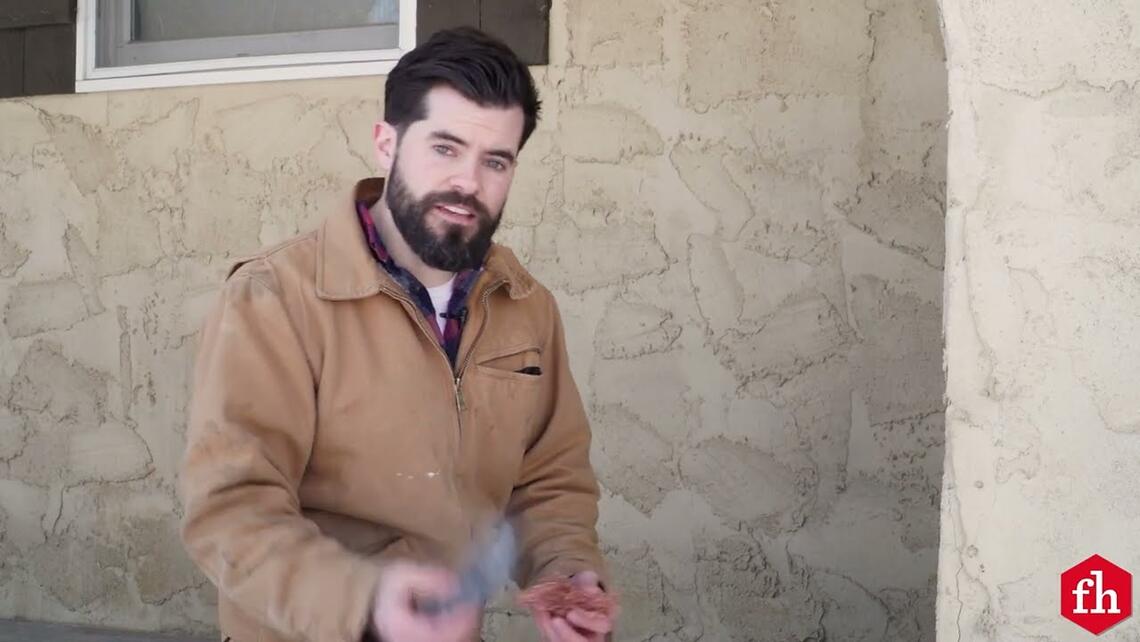
Video: How to Use Steel Wool for Pest Control, from Family Handyman.
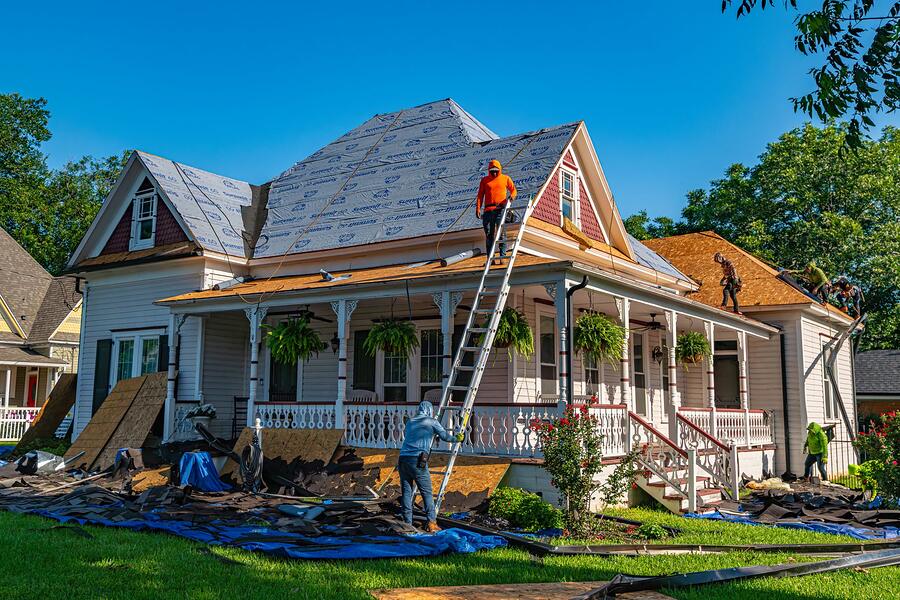
How exclusion work is sequenced
Five steps, with the active runs closed last on purpose.
-
Book the free inspection
The call establishes where the activity is and which species it points to, which decides whether the sealing standard is half an inch or a quarter.
-
Survey and list every opening
The whole building walked from the soil line to the ridge, each opening photographed and written down as its own item with a proposed closure.
-
Close what is quiet
Hardware cloth, sheet metal and coarse steel wool go over the openings with no current traffic, narrowing the building to two or three active runs.
-
Trap the active runs
Snap traps spaced 10 to 20 feet apart along the remaining runs, left baited and unset at first where the animals are shy, then checked and reset.
-
Close the last openings
Once two checks in a row come up empty the remaining runs are sealed, and the written list of closures is handed over with the invoice.
Ready to start? Call (916) 644-8455 or Book a Free Inspection.
Why exclusion is the line that matters on the quote
Three reasons this is the item worth reading closely.
It is the only part that ends the problem
Trapping reduces a population. Sealing removes the supply. With the openings closed, every animal caught is one fewer in a finite group; with them open, the traps are harvesting from the whole block. That is why a quote with a thin or absent sealing line is the one to question, however good the price looks.
UC IPM has roof rats traveling up to 300 feet or more in search of food.
The materials are checkable after the fact
You can look at the work. Half-inch hardware cloth in 16 or 18 gauge over a foundation vent, fastened at the edges. Sheet metal over a chewed corner. Coarse steel wool in a gap too tight to screen. These are the materials UC IPM specifies, and a homeowner can verify every one of them with a flashlight and ten minutes.
UC IPM names wire screen, sheet metal and coarse steel wool as the sealing materials.
The list is the guarantee
A written, itemized list of closures with locations is what makes a warranty mean anything, and it is what a clearance letter refers back to. A scope that says sealing of entry points as found gives you nothing to hold anyone to. Ask for the list before the work, and keep it afterward.
Angi puts national follow-up visits at $50 to $150 each, which belongs on that same document.
What Reddit Says About Rodent Exclusion in Sacramento
Exclusion is the subject homeowners are most insistent about, and the advice is consistent: hire for the sealing and treat the trapping as the part that comes with it. The threads that end well describe a written list of openings; the ones that end badly describe a monthly pest contract that ran for a year with bait boxes outside and nothing closed.
The specific red flags come up again and again. Expanding foam used on its own. Mesh pushed into a hole instead of fastened over it. A quote with one figure and no list. A crew that seals everything in one visit and does not return. Someone who will not go into the crawl space or get a ladder out. A recommendation to deal with the trees later, when the branch on the roof is the whole reason the animals are there.
The questions people recommend are about the document rather than the price. Will every opening be listed with its location. What mesh and what gauge. Who closes the active runs, and when. How many visits are included. What the guarantee covers, and whether it extends to openings that were not on the original list. And the company registration number.
There is a large do-it-yourself contingent too, mostly positive about the outcome and unanimous about the difficulty: finding the openings is the hard part, and several describe missing the one that mattered until a second pair of eyes looked at the eave above a porch roof. A few note that the job changed once they cut the ivy off the wall.
Whichever route you take, the survey comes first and it is worth having done properly.
A typical exclusion job on an older bungalow
The situation: A 1928 bungalow in Curtis Park. The owners had a pest company in twice over the winter, both times for bait stations outside, and the noise over the back of the house carried on through both. No sealing appeared on either invoice. By March they wanted the building closed and were prepared to hear the number.
What gets done: The survey lists eleven openings: four foundation vents with corroded screens, a crawl space door that no longer meets its frame, two pipe penetrations through the underfloor, a gable vent with brittle louvers, the junction where the eave meets the wall above the porch roof, a chewed corner at the garage door, and a gap behind a dryer vent. Eight with no traffic are closed on the first visit in half-inch hardware cloth and sheet metal. Traps go along the two active runs in the attic and one under the floor.
How it turns out: Three visits over about four weeks. The last three openings are closed after two empty checks, the written list goes over with the invoice, and the owners are told to get the apricot branch cut back off the ridge before next autumn. Trapping, sealing and the underfloor clearance were priced as three separate lines.
Exclusion questions Sacramento homeowners ask
What comes up when the sealing line on a quote gets read properly.
Is exclusion the same as pest control?
They overlap and they are not interchangeable. A general pest service treats and monitors; exclusion is physical work that closes the building so treatment stops being necessary. In California both sit inside Branch 2 of the Structural Pest Control Board license, so the same registered company can do both, but the skills differ and so do the quotes. A contractor who is comfortable on a ladder, in a crawl space and with sheet metal is the one to want.
Will sealing trap animals inside my walls?
Only if it is done in the wrong order, and that is exactly why it is staged. The openings with no current traffic get closed first, which is safe because nothing is living in them. The runs still in use stay open while the trapping works, and they are closed only after two consecutive checks come up empty. A contractor proposing to seal the whole building on the first visit is proposing the problem you are worried about.
How much of the work can I do myself?
More than you might expect, and plenty of people do. Quarter-inch or half-inch hardware cloth, coarse steel wool and a roll of sheet metal handle most residential openings, and UC IPM publishes the standards. The two things that defeat a self-taught job are finding every opening, which is where a second pair of eyes earns its keep, and reaching the roofline safely on a two-story house. The free inspection produces the list whether or not you hire anyone to close it.
Does the tree have to come down?
Almost never. Cutting branches back clear of the roof is usually enough, because what a roof rat needs is contact between the limb and the building. UC IPM also names climbing hedges as conducive to roof rat foraging, specifically Algerian and English ivy, star jasmine and honeysuckle, so ivy against a wall is worth pulling off even when the tree stays exactly where it is.
How soon can the survey happen?
Somebody takes the call round the clock, with inspection slots from 7am to 7pm on every day. The dispatcher books the next slot the contractor covering your area has free, and the inspection costs nothing whether or not you go ahead with the sealing afterward.