
Rodent Removal Services in Sacramento
Ten services in the order the work happens on site: the animals out, the building shut, the attic put back. Each one handled by a Branch 2 contractor after a free inspection.
- Free inspection first
- Published national bands
- Sealing in every sequence
The order the work runs, and the reason for it
Sealing is the spine of every job on this list. Trapping with nothing closed is the single most criticized practice among people who have paid for rodent work and got nothing, and the reason is simple arithmetic: UC IPM gives a female roof rat three to five litters a year of up to eight young, and a female Norway rat four to six litters with twenty or more weaned annually. Catching faster than that is not a plan.
So the sequence is fixed. Find every opening. Close the ones carrying no traffic, in half-inch hardware cloth, sheet metal or coarse steel wool, which are the materials UC IPM names. Trap along the runs still in use. Close the last of them once the catching stops. Then deal with what has been left in the attic.
On a raised-foundation house that list starts at the soil: foundation vents, the crawl space door, the plumbing penetrations through the floor. On a slab house it starts at the eaves. Either way the quote separates trapping, sealing and cleanup, so a bundled figure never has to be taken on trust. The about page covers who attends and what to check, and the contact page has the hours and the address.
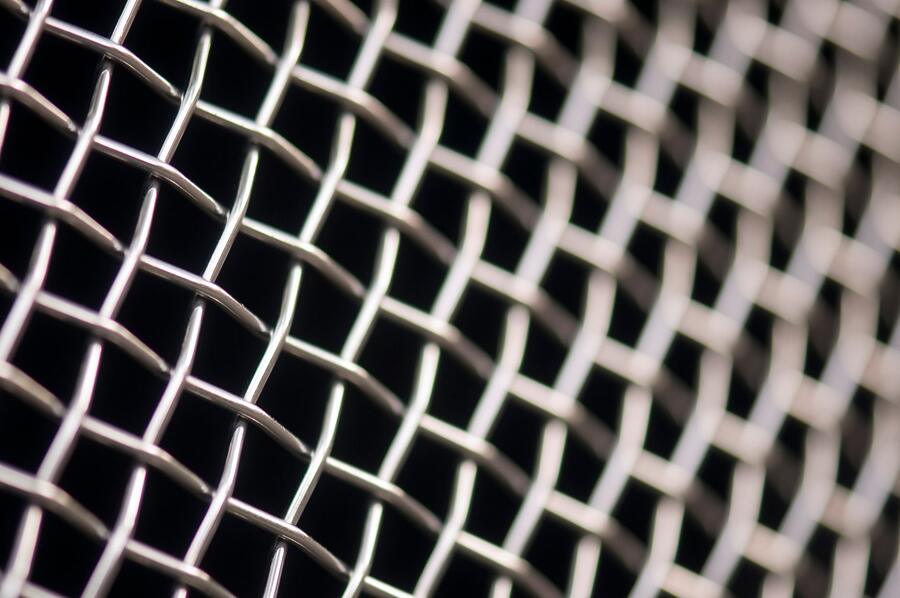
Why mice keep coming back
A look at the openings that make it repeat.
Video: EASY WAY to Get Rid of Mice in Your House FOREVER, from Silver Cymbal.
What every service here has in common
The order of work and the paperwork stay the same whichever page you land on.
One inspection decides the sequence
Whichever page brought you here, the work starts with the same free walk of the roofline, the attic and whatever sits under the floor. That visit names the species from droppings and rub marks, records every opening it finds, and decides whether the attic needs clearing once the animals are gone. Everything on this list is quoted off that one report.
HomeGuide 2026 prices a standalone inspection at $0 to $175; this one is free.
Every stage carries its own line
Trapping, sealing, cleanup and insulation appear as separate figures on the quote, with the published band for each printed on its service page so the number can be read against something. Homeowners who have been through this say a single bundled price was the thing they could never check.
Angi puts national follow-up visits at $50 to $150 each, which belongs on the quote too.
The registration matches the work
Inspecting for rodents, trapping them, or applying bait for hire in California takes a company registered with the Structural Pest Control Board and licensed in Branch 2. Structural wood repair moves into Branch 3 or a licensed building contractor. The contractor dispatched for a given service holds what that service needs.
Company registrations are public on the Structural Pest Control Board lookup.
Choosing the right service
Which page to read first, by what you have found.
I hear something but have not seen anything. Where do I start?
With the free inspection. It identifies the species from droppings, rub marks and the pattern of the noise, then records every opening on the building. That single report is what the trapping and sealing quotes are written from, and it is the same visit whichever service the job turns into. A standalone inspection is priced nationally at $0 to $175 by HomeGuide, and through this line there is no charge for it.
Do the openings really need sealing if the traps are catching?
Yes, because what the traps are catching is the next arrival. UC IPM has roof rats covering up to 300 feet or more in search of food and Norway rats working 100 to 500 feet a night, so an open foundation vent keeps drawing from well past your own lot. Sealing is what gives the trapping a finish line, and it is the reason the quote prices the two as separate lines.
Does the insulation have to come out?
Only where it has been flattened into runs or soaked with urine. The Department of Energy states that compressed insulation does not deliver its rated R-value and that wet insulation performs poorly, and those two conditions are what the inspection looks for. Everything else gets cleared of droppings and left in place, with cleanup and replacement quoted separately so you can see which you are paying for.
Can I get something in writing for a sale or a landlord?
Yes. The clearance letter page describes a written report naming the areas checked, the evidence found or absent on the date of the visit, any openings sealed, and the contractor company registration. It records a condition on a date, which is what an escrow file or a tenancy dispute needs, and it is priced as the inspection plus whatever sealing the inspection shows is necessary.